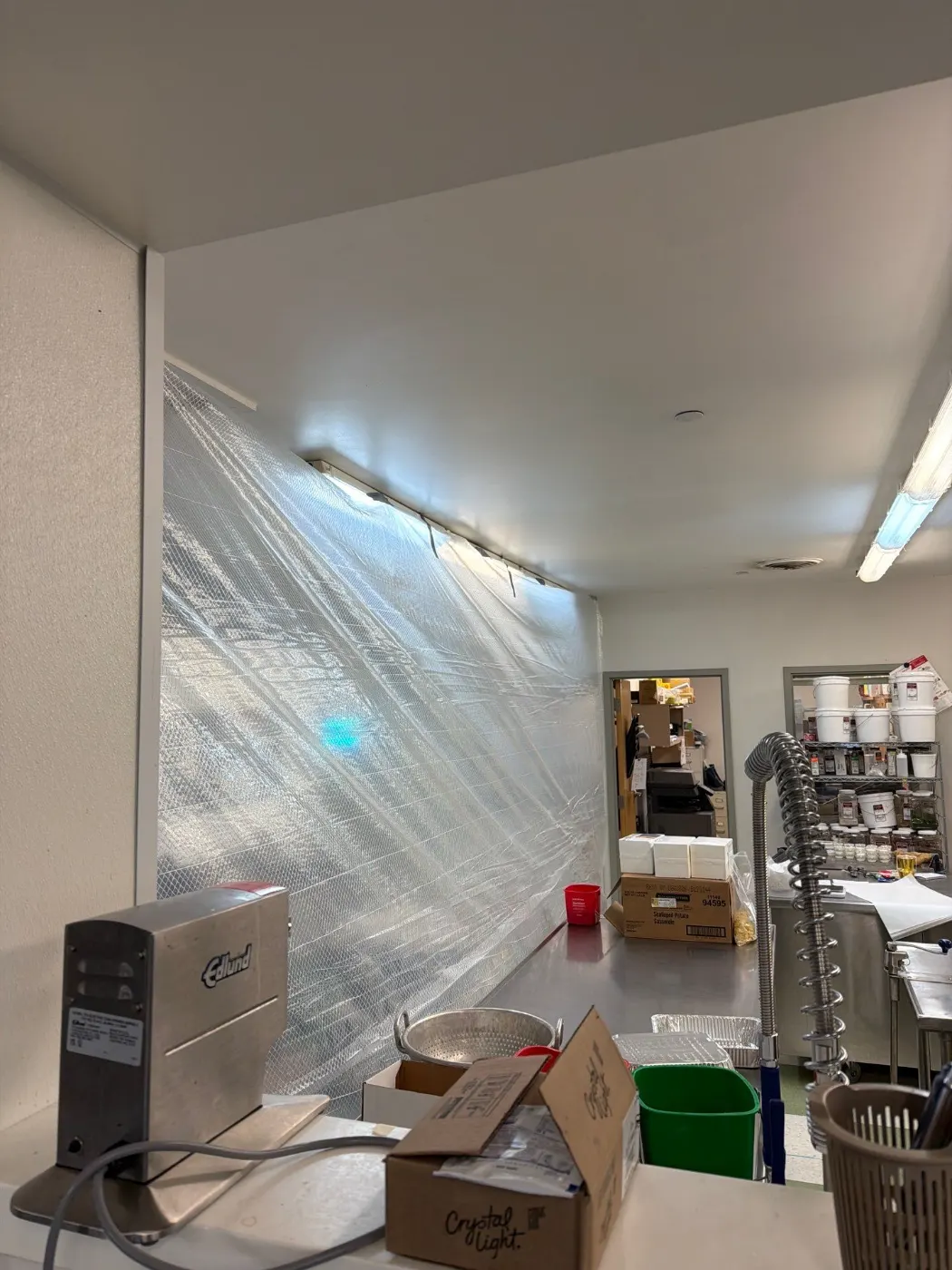
Basement Flooding in Kensington, IN
Every Kensington basement Kensington Water Restoration dries comes with a moisture map and daily logs.
Kensington Water Restoration is the Kensington call for Basement Flooding: emergency crews around the clock, moisture readings instead of guesswork, and insurance files built properly. Call (463) 223-3831.
- Service: Basement Flooding for Kensington homeowners
- Service area: Kensington, IN and surrounding areas
- Response time: 24/7 answering with priority emergency dispatch across Kensington
- Licensed and insured (License #RC21100059)
- Serving Kensington, IN since 2018
Expert Basement Flooding for Kensington Homeowners
A storm heavy enough to fill the sump pit often takes the power out as well, and a pump with no electricity can't lift anything. If the lights went out and your Kensington basement kept filling, the water has been sitting on the slab since the pit overflowed. Kensington Water Restoration pumps it out and reads every wet surface before deciding what has to come out.
A thermal camera shows where evaporation is cooling a surface, which tells the crew where to point the meter. The meter then supplies the number for that spot. Kensington Water Restoration uses both in your Kensington basement, because the image shows the pattern and the meter gives the value that goes in the log.
You hear from the Kensington Water Restoration crew before decisions get made. The scope gets walked with you and signed off before any drywall gets cut, the daily readings get shared at each visit, a change in scope arrives with photos and an explanation attached, and the full package of readings, photos and line items ends up in your hands when the file's closed out.
Kensington Water Restoration builds a complete file for every basement it dries in Kensington. It covers the source, the daily readings, every removal with a photo of the material, the equipment log with run hours and the final readings against dry material in the same house. You own that file whether you file a claim on the loss or pay for the work yourself.
Water that drained back down on its own can still leave the carpet and the lower drywall in your Kensington basement holding moisture for days. Call Kensington Water Restoration and a crew will read the materials with meters, so you know what's dry and what's still wet.
Signs You Need Basement Flooding Cleanup
If you notice any of these in your Kensington home, schedule a free inspection before the issue worsens.
Carpet that squishes underfoot along the perimeter while the middle of the room still feels dry
Wet window sill with a stain on the wall just below it in your Kensington basement
Carpet tack strip rusting, with the pad underneath breaking apart when you lift a corner
Cardboard boxes gone soft at the bottom corners, or collapsing when you pick them up
Water beading out of a wall crack during a steady rain, then drying up when the rain stops
Stair step cracks in the block wall that darken and bead moisture after days of rain
The breaker feeding your Kensington sump pump has tripped and the pit is filling
A crack in the slab or the wall that stays wet when everything around it has dried
The sump pump in your Kensington home hums but no water moves up the discharge pipe
White chalky crust on the block or poured wall where water has been moving through the masonry
How Kensington Water Restoration Handles Basement Flooding
We follow these steps in order on every Kensington job.
Water Classification
The crew assigns a water category in your Kensington home from the source and from the hours the water has sat, and the category sets the protective gear and which materials come out. Sewage is Category 3 and gets handled as a sewage cleanup.
Water Extraction
Submersible pumps take the standing water off the slab, then weighted extraction tools pull what the carpet and pad are holding. Hard floors get squeegeed toward the low point, and water trapped behind baseboard comes out through controlled openings in the wall.
Scope Review
The crew walks the moisture map of your Kensington basement with you and explains what can dry in place and what has to come out. You approve the scope in writing before any drywall is cut, and any change comes with new photos and readings.
Wall Cavity Drying
Small holes behind the baseboard let conditioned air flow into the stud bays of a finished wall in your Kensington home. That pulls moisture off the back of the drywall and out of the framing, so more of the wall can stay in place.
Upstairs Moisture Check
The crew closes off the stairway and reads the first floor walls above the basement of your Kensington home, along with the underside of the floor. Those readings show whether humidity moved up and keep the drying confined to the basement.
Basement Flooding in Kensington
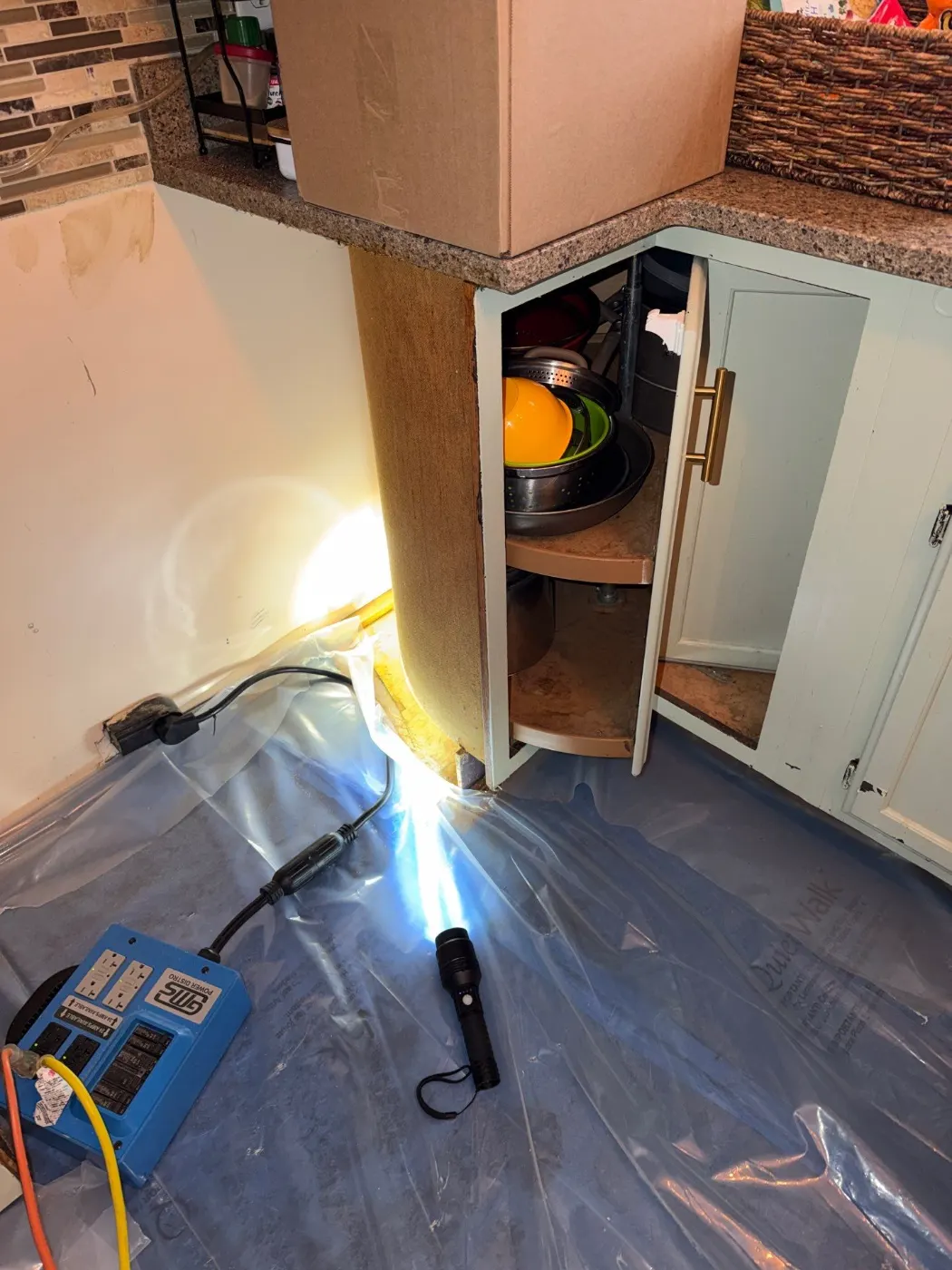
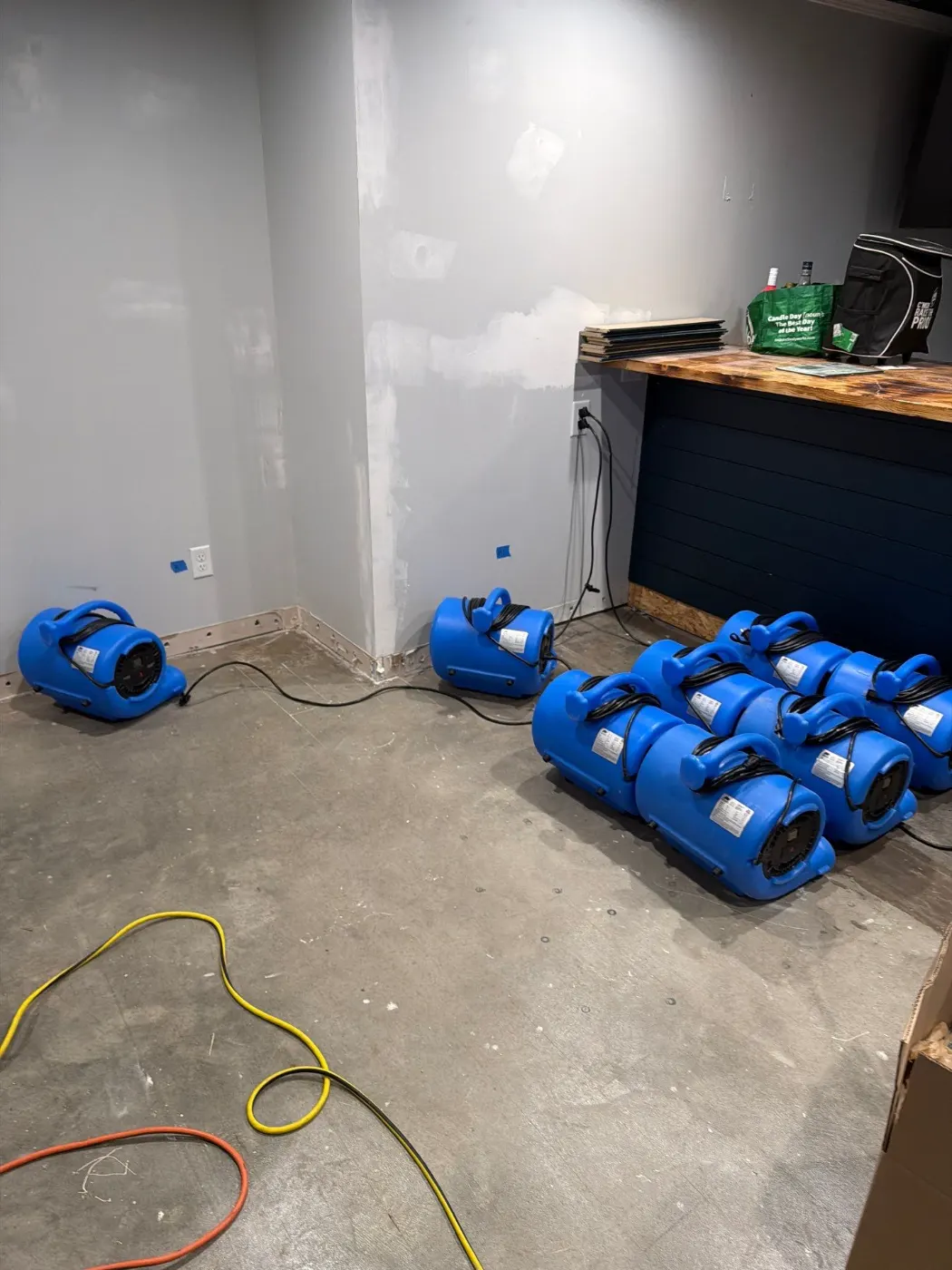
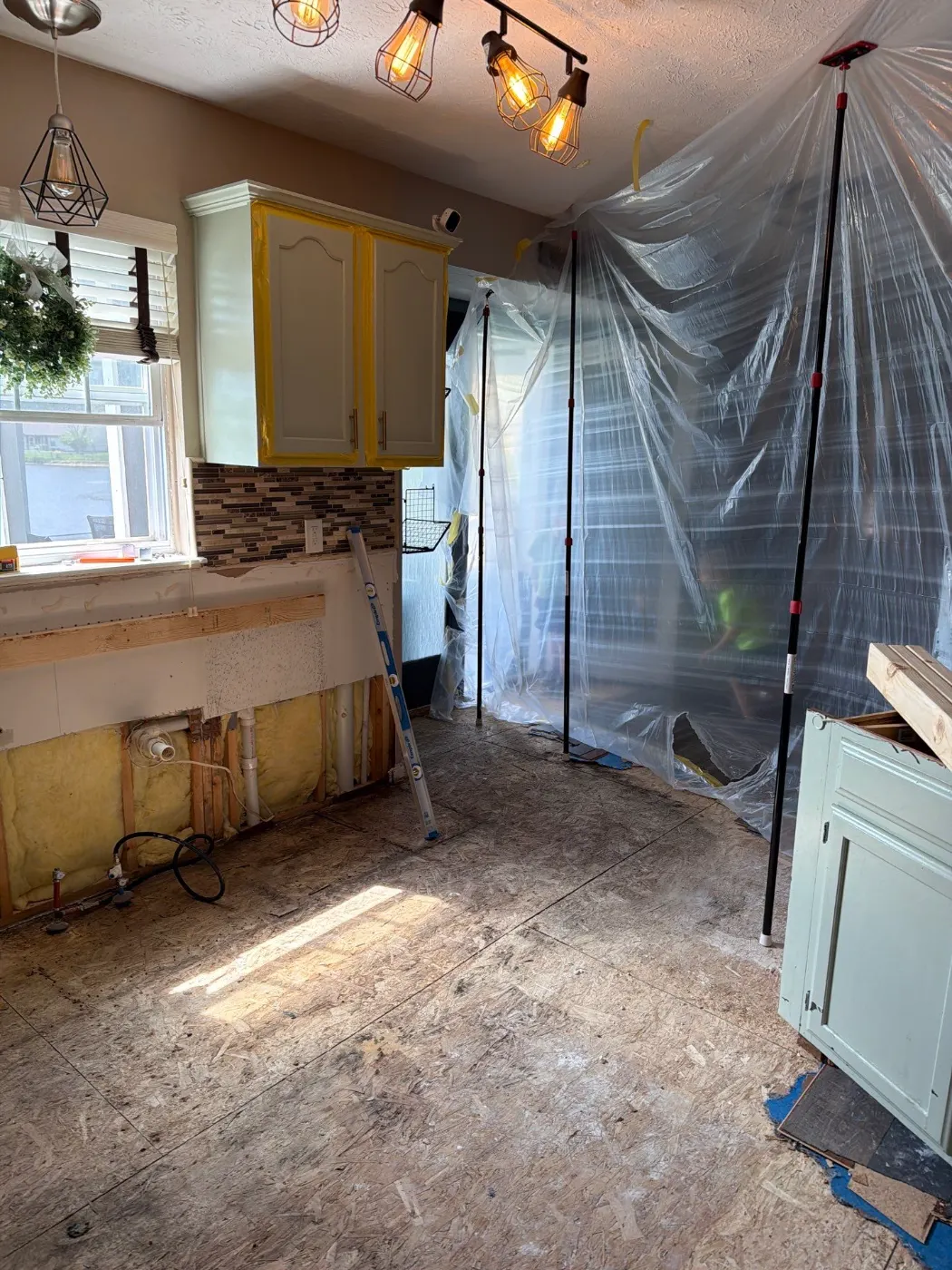
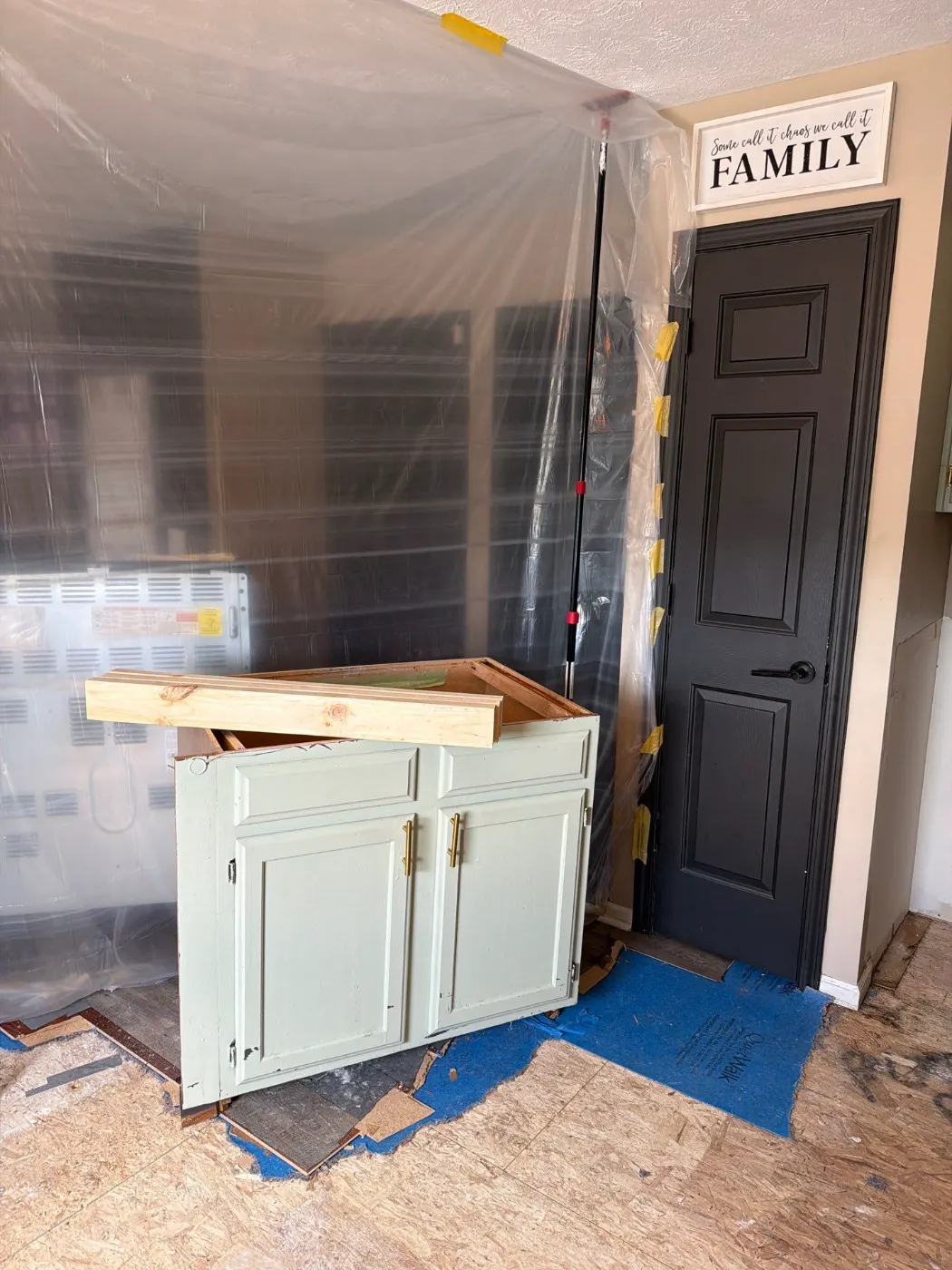
Photographs from real basement flooding jobs completed by our crew in Kensington and surrounding areas.
Basement Flooding FAQ
Questions Kensington homeowners ask us about basement flooding cleanup.
Guidance and Standards for Basement Flooding
- EPA advises drying water damaged areas and items within 24 to 48 hours to prevent mold growth. EPA: A Brief Guide to Mold, Moisture and Your Home
- Ready.gov notes that homeowners insurance policies don’t cover flooding, so check what your own policy says. Ready.gov: Floods
Other Restoration Services in Kensington
Kensington Water Restoration handles the full scope of restoration work. Explore our other services below.
Water Damage Restoration in Kensington
24/7 emergency response. IICRC certified water restoration from extraction to full dry out.
Learn more →Sewage Cleanup in Kensington
Category 3 biohazard cleanup. Full containment, decontamination, structural restoration.
Learn more →Storm Damage in Kensington
Storm related water emergencies. Tarping, extraction, drying, and full restoration.
Learn more →Request Basement Flooding Cleanup
Reach Us Directly
Our team is available 24/7 for emergencies and ready to schedule inspections during business hours.
Need Immediate Help?
For active water or mold emergencies, call us directly. We are available 24/7.