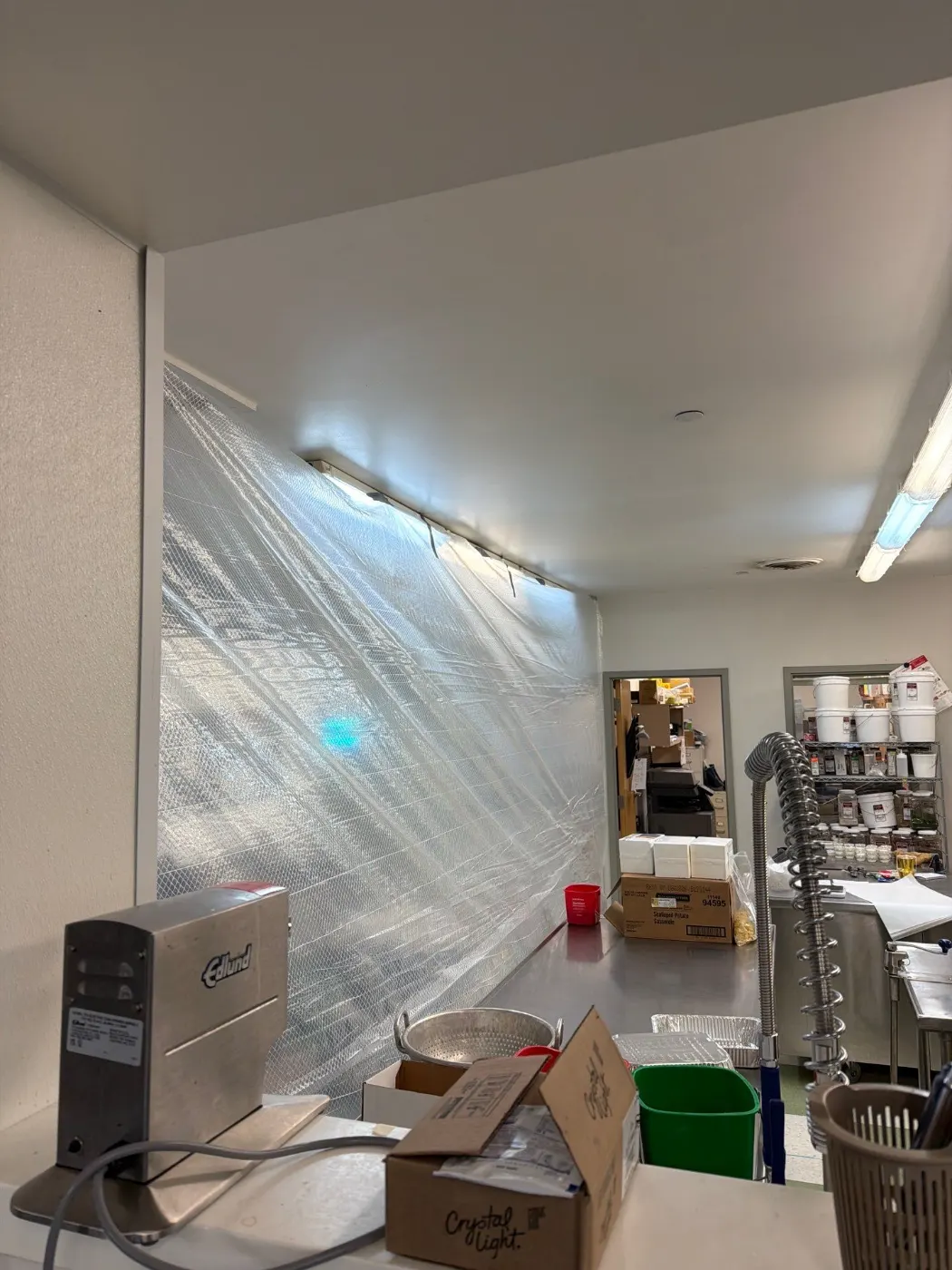
Commercial Water Restoration in Kensington, IN
Property managers across Hendricks County get daily readings and scope by suite, with calls answered at any hour.
For Commercial Water Restoration in Kensington, Kensington Water Restoration brings the equipment, the certifications, and the paperwork: 24/7 response, written scopes, and insurance claim support. Call (463) 223-3831 for dispatch.
- Service: Commercial Water Restoration for Kensington homeowners
- Service area: Kensington, IN and surrounding areas
- Response time: 24/7 live dispatch; emergency crews prioritized for Kensington
- Licensed and insured (License #RC21100059)
- Serving Kensington, IN since 2018
Commercial Water Restoration for Kensington Businesses
Somebody above you is going to ask what this costs and how much space is out of service, and you need real numbers to answer. That starts with a documented scope: what's wet, how far it went, and what has to come out. Kensington Water Restoration dispatches a crew to your Kensington building within 2 hours and gives you a written scope with moisture readings and photographs you can forward to ownership the same day.
A moisture meter reading means little until it's matched to the material it's touching. Pin meters and pinless meters read drywall, wood, plaster and concrete on different scales, so the crew notes the meter and the scale beside each number in your Kensington log. That lets a consultant retake the same reading and compare it.
Glue down flooring is a judgment call that moisture readings make. Carpet tile with released adhesive comes up, broadloom glued direct usually comes out, and resilient tile over a wet slab gets pulled where the bond has failed. Kensington Water Restoration crews then dry the slab itself with mat systems or low humidity air, and verify the concrete with in situ probes before any new flooring goes down over it.
Commercial adjusters want a file they can price. Kensington Water Restoration builds one from the first hour: photographs by area, moisture readings logged daily by location and material, the water category with the reasoning behind it, an equipment list with hours, and scope itemized by suite. You or your broker submit it and make the coverage decisions with your carrier. The documentation exists so nobody has to take anybody's word for what was wet.
Call Kensington Water Restoration and a crew dispatches to your Kensington building within 2 hours. The crew maps the moisture, starts extraction and photographs every affected area, and the scope with readings behind it comes to you in writing before removal starts.
Signs You Need Commercial Water Restoration
If you notice any of these in your Kensington building, schedule a free inspection before the issue worsens.
Wood flooring in a gym or sanctuary cupping along the edges after a leak
Water running down stairwell treads or collecting on a landing below an upper floor
Water bills for the property climbing with no change in occupancy or use
Residents reporting a brown stain spreading across the corridor ceiling outside their unit
Sewage backing up at a floor drain in a restroom, kitchen or loading area
A shutoff valve or supply line weeping behind an access panel in a janitor closet
Fire sprinkler discharge with water still spreading out across the floor plate
Patches of a concrete slab staying dark for hours after everything around them dried
Rust staining at the base of steel studs, shelving uprights or racking posts
Brown stains forming on ceiling tiles beneath a roof drain location after a storm
How Kensington Water Restoration Handles Commercial Water Restoration
We follow these steps in order on every Kensington job.
Power and Panel Check
Before equipment goes in, your electrician deenergizes circuits that serve wet areas, and the crew checks outlets and floor boxes for moisture. Drying equipment then runs on protected circuits with the load spread across panels.
Moisture Mapping
Every affected area gets read with thermal imaging and both noninvasive and penetrating meters, floor by floor where water moved vertically. The crew photographs the source, and the readings set how much drying equipment each area needs.
Containment and Zone Planning
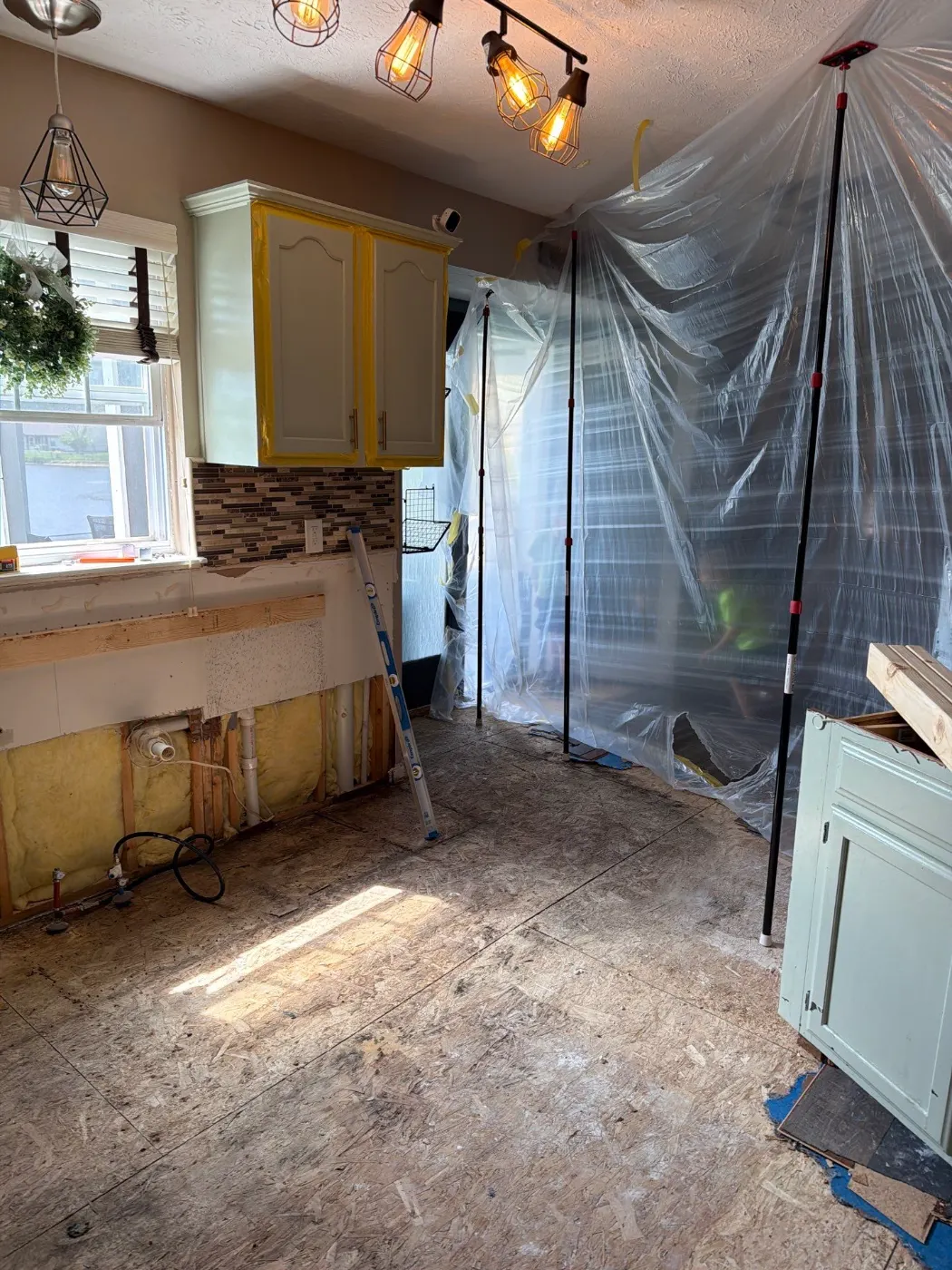
Affected areas get polyed off and put under negative pressure where the water category calls for it, with corridors and egress kept clear. Zone boundaries get drawn with your management office so unaffected tenants keep working.
Overhead Water and Ceilings
Sagging ceiling panels are punctured over protection so trapped water drains into a controlled spot. Wet tile and insulation come down, and the grid gets checked before the plenum above it gets dried.
Equipment Placement and Circuits
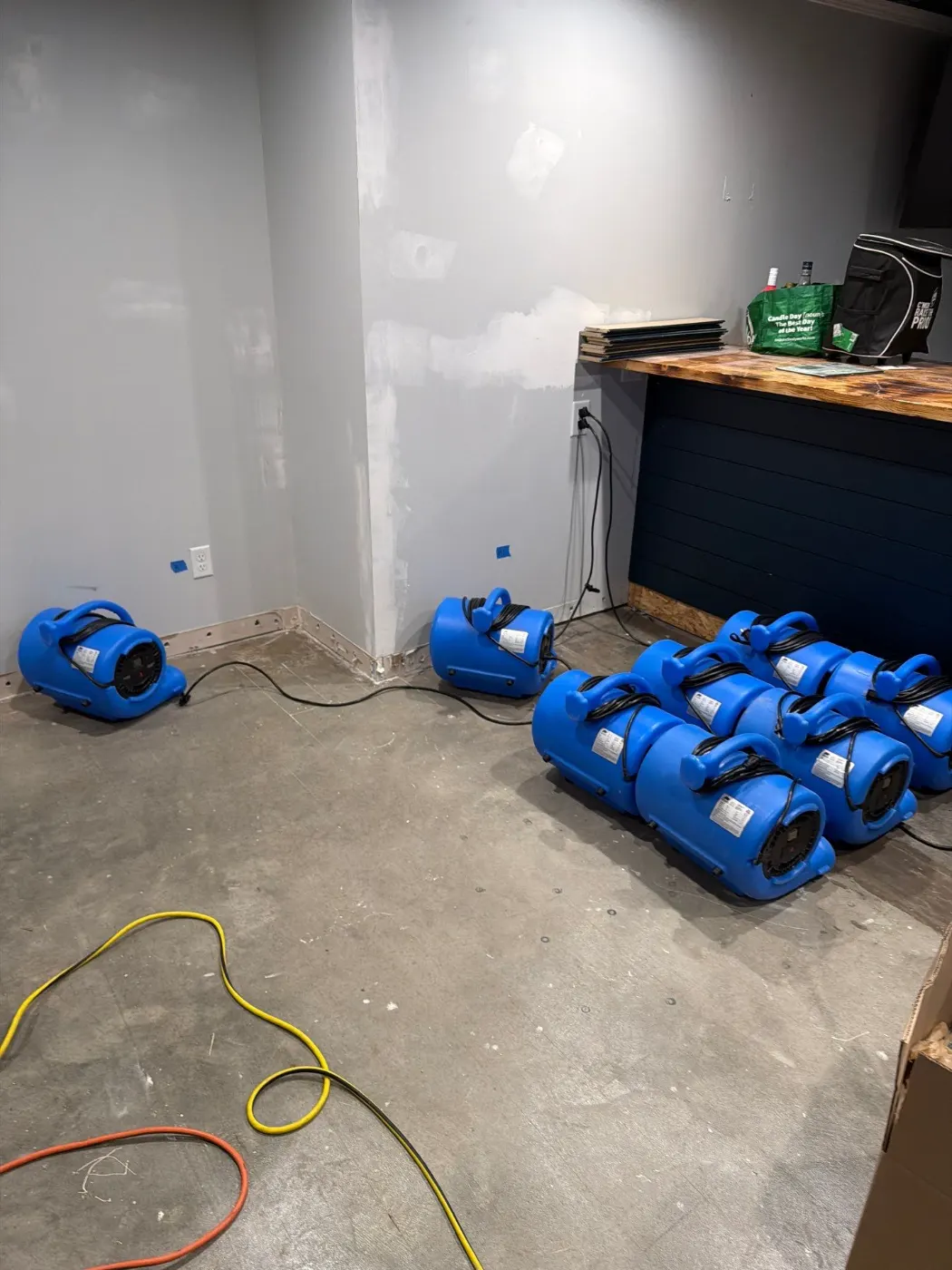
Air movers and dehumidifiers go where the drying calculation puts them, with ducting routed into plenums and shafts. The crew confirms what each circuit can carry and routes cords overhead or along walls to keep exits clear.
Commercial Water Restoration in Kensington
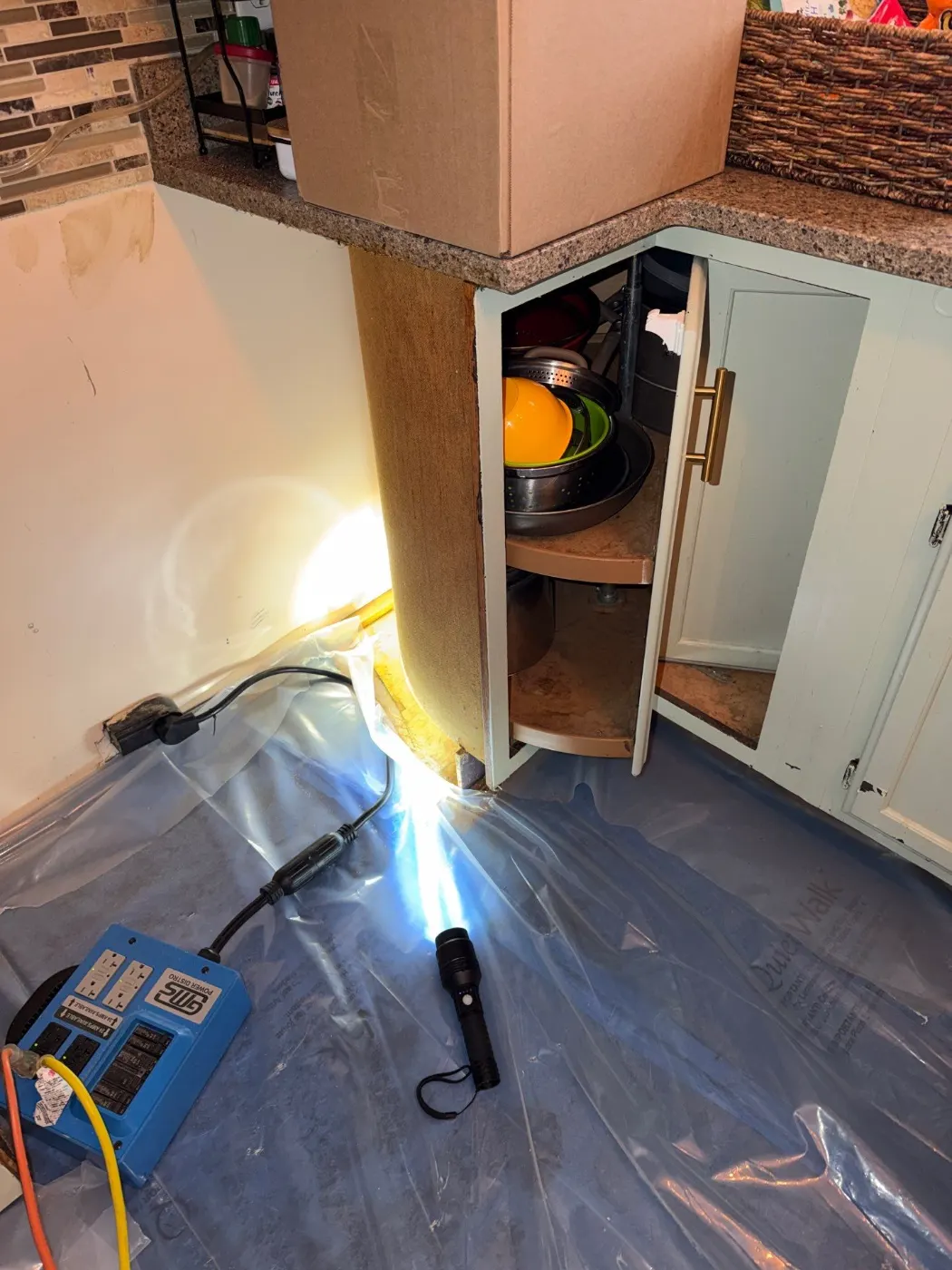
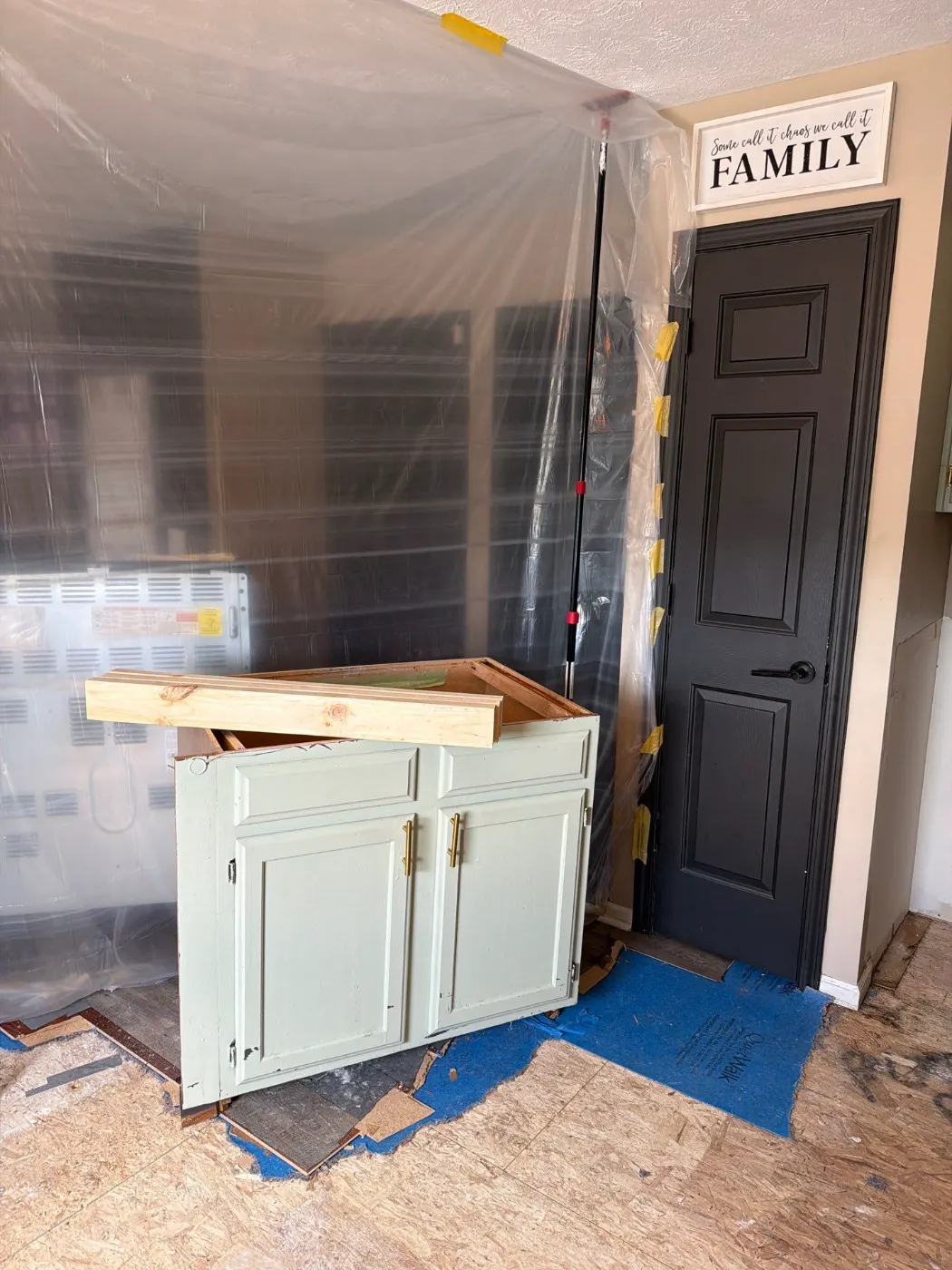
Photographs from real commercial water restoration jobs completed by our crew in Kensington and surrounding areas.
Commercial Water Restoration FAQ
Questions Kensington property managers ask us about commercial water restoration.
Guidance and Standards for Commercial Water Restoration
- The ANSI/IICRC S500 is the published standard for professional water damage restoration. The current edition is the Fifth Edition, 2021. IICRC S500 Standard
- EPA advises drying water damaged areas and items within 24 to 48 hours to prevent mold growth. EPA: A Brief Guide to Mold, Moisture and Your Home
Other Restoration Services in Kensington
Kensington Water Restoration handles the full scope of restoration work. Explore our other services below.
Water Damage Restoration in Kensington
24/7 emergency response. IICRC certified water restoration from extraction to full dry out.
Learn more →Basement Flooding in Kensington
Basement water emergencies handled fast. Extraction, drying, mold prevention.
Learn more →Sewage Cleanup in Kensington
Category 3 biohazard cleanup. Full containment, decontamination, structural restoration.
Learn more →Request Commercial Water Restoration
Reach Us Directly
Our team is available 24/7 for emergencies and ready to schedule inspections during business hours.
Need Immediate Help?
For active water or mold emergencies, call us directly. We are available 24/7.